
https://nidhipatil548.blogspot.com/2020/08/sindhu-tai-sapkal.html
Category: Uncategorized
Social worker- Baba Amte
– Baba amte lived his early life in luxury and born in a wealthy jagirdar family. After getting degrees and diplomas in agricultural sciences, law and literature from various universities, he came in contact with the poor tribal Adivasis and discovered the country’s poor and hard life.
Since then for 60 years he worked for poor Adivasis and downtrodden of the society. He also worked for the rehabilitation and empowerment of the outcast lepers.
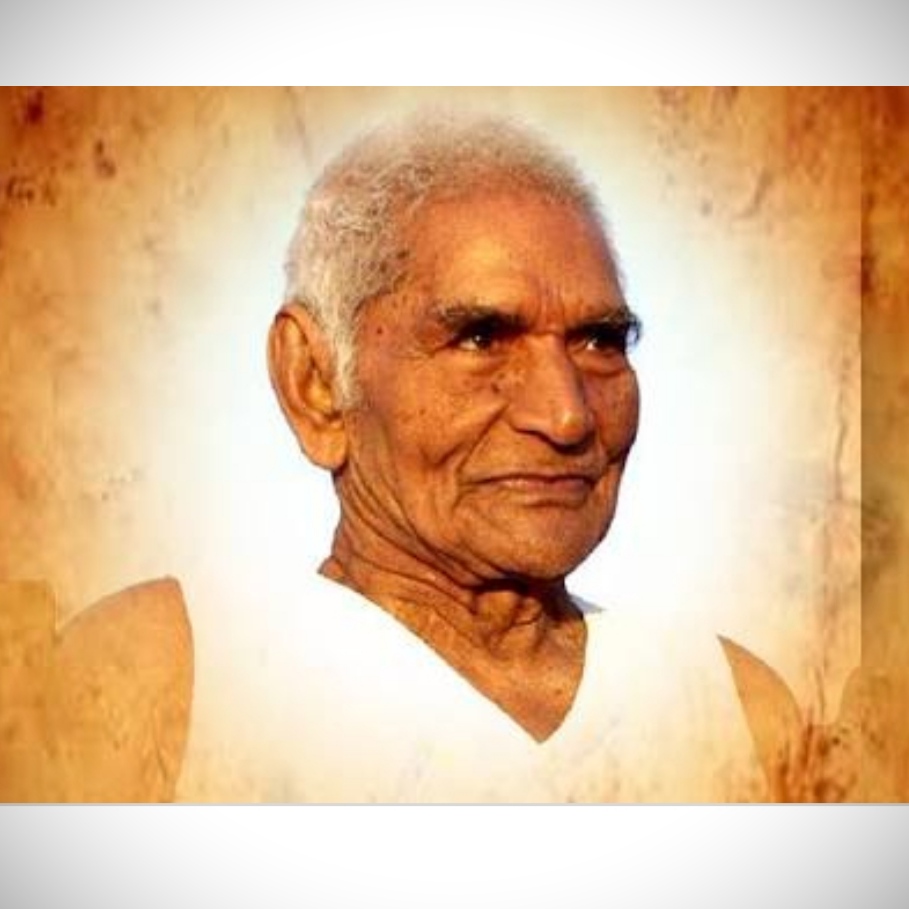
Baba started health programmes for leprosy patients in Anandvan ashram and created different support activities to make the lepers live with dignity and self- respect. In 1973 Baba founded Lok Biradari Prakalpa for the tribals, Madia Gonds , of Gadchiroli . He undertook educational, agriculture and eco-friendly programmes for the tribals in Hemalkasa.
Dr.Sarvepalli Radhakrishnan
– Dr.Sarvepalli Radhakrishnan was born in Tirutani on 5th September 1888 into a poor Brahmin family. His father sarvepalli veeraswami was employed on a mearge salary in the zamindari. His mother’s name was sitamma. It was a mearge income and to take care of a large family.
Radhakrishnan went through most of his education on scholarships. He initially went to school in Tirutani and then to the Lutheran mission school in Tirupati for his high school. He joined the voorhee’s college in Vellore but switched to the Madras Christian College at the age in 17.
He choose philosophy as his major and attained a B.A and M.A. in the field. He was afraid that his M.A. thesis “The ethics of the vedanta” would offend his philosophy professor Dr.A.G. Hogg instead Dr.Hogg commented Radhakrishnan on doing an excellent job. Radhakrishnan’s M.A. thesis was published when he was only 20 Radhakrishnan was married to sivakamuamma at the age of 16.
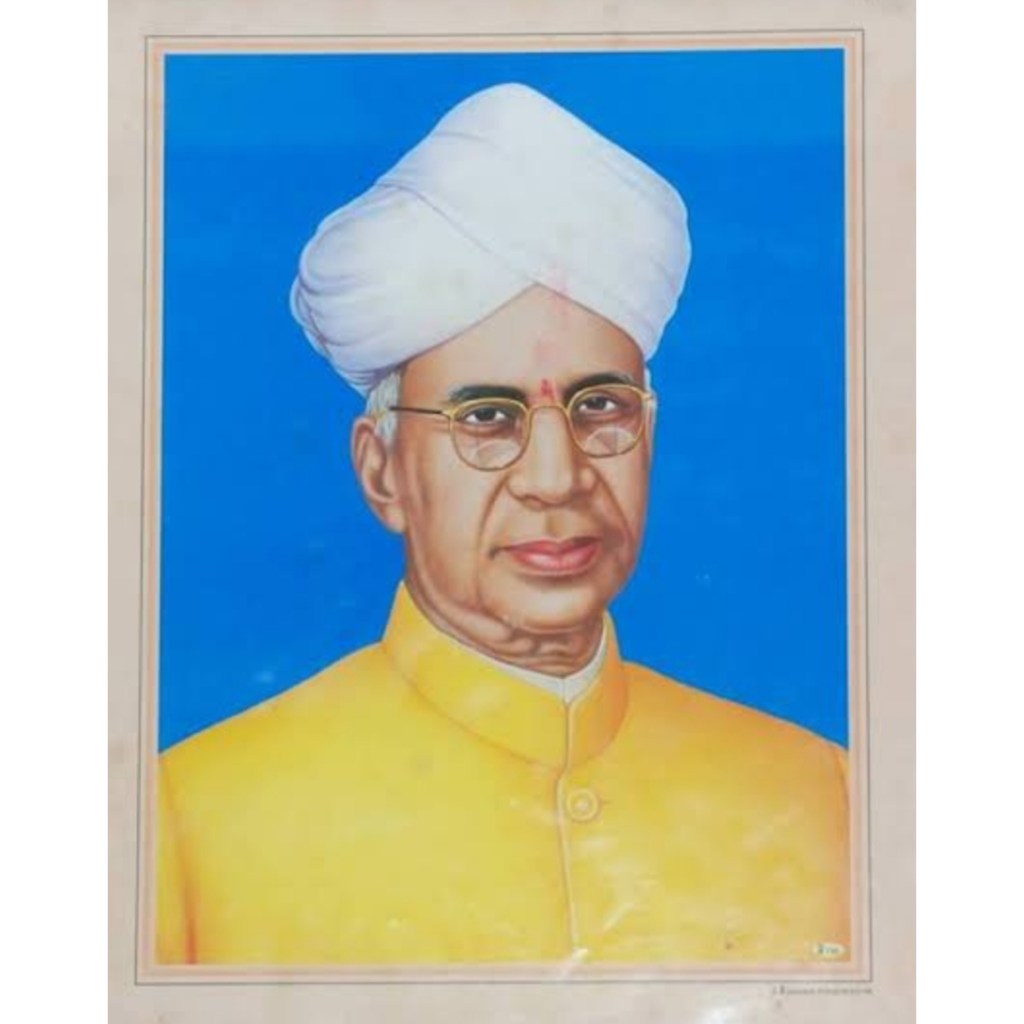
While still in Vellore, Radhakrishnan’s accepted an assistant lectureship at Madras Presidency college in 1909.while at the mastered the classics of Hindu philosophy, namely the Upanishads, Bhagvad Gita, Brahmasutra and commentary of Sankara, Ramunuja and Madhava. He also acquainted himself with Buddhists and Jain philosophy. At the same time he read philosophical commentaries of plato, Plotinus, Kant, Bradly and Bergson, later on in his life, he studied marxism and existentialism.
Dr. Radhakrishnan died on 17April 1975.
The Great Legends Of India
1. The Great Scientist Dr. A.P.J. Abdul Kalam
2. Netaji Subhashchandra Bose
3. Mahatma Gandhi
4. Lokmanya Tilak
1. The Great Scientist Dr. A.P.J. Abdul Kalam
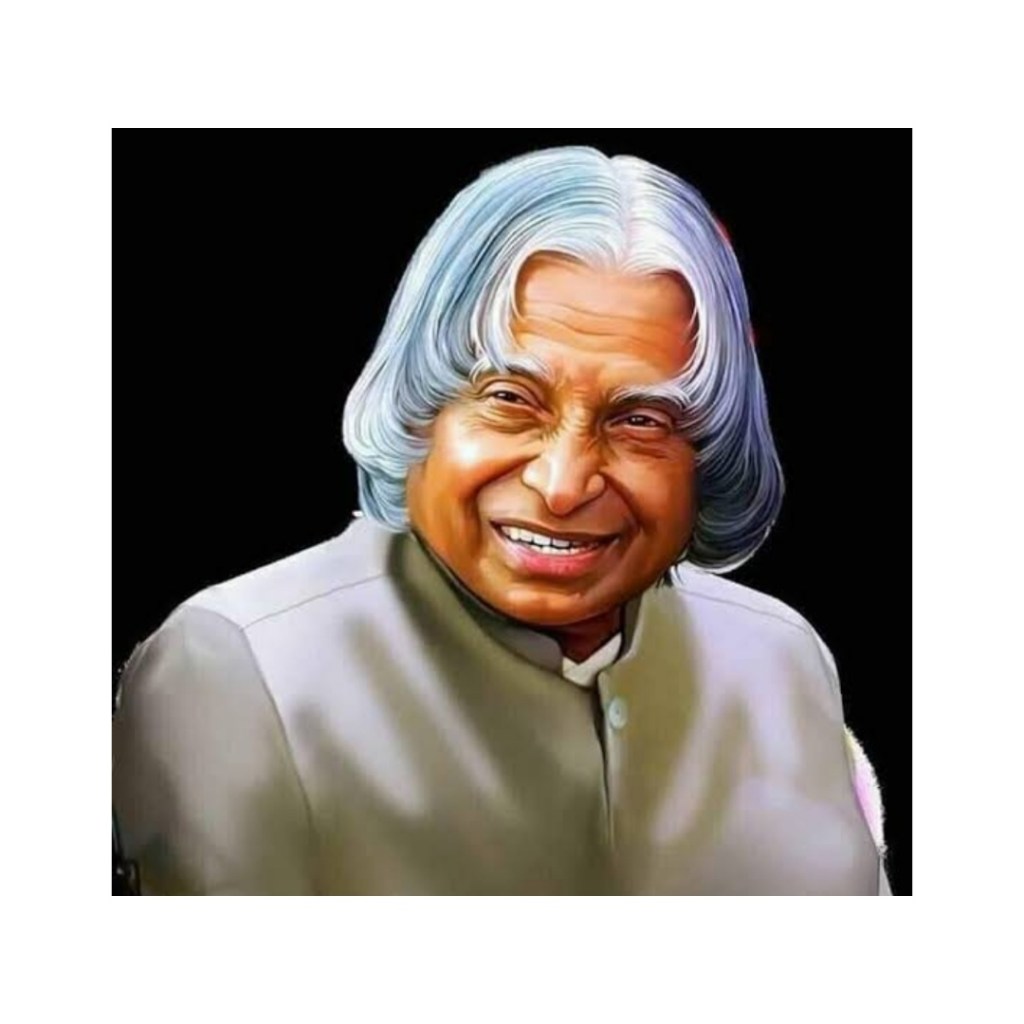
– Avul Pakir Jainulabdeen Abdul Kalam Was Born On 15th October 1931. He Was An Aerospace Scientist Who Served As The 11th President Of India From 2002 to 2007. He Was Born And Raised In Rameswaram , Tamil Nadu And Studied Physics And Aerospace Engineering.
He Spent The Next Four Decades As A Scientist And Science Administrator, Mainly At The Defence Research And Development Organisation (DRDO) , Indian Space Research Organisation (ISRO) And Was Intimatly Involved In India’s Civilian Space Programme And Military Missile Development Efforts.
2. Netaji Subhashchandra Bose
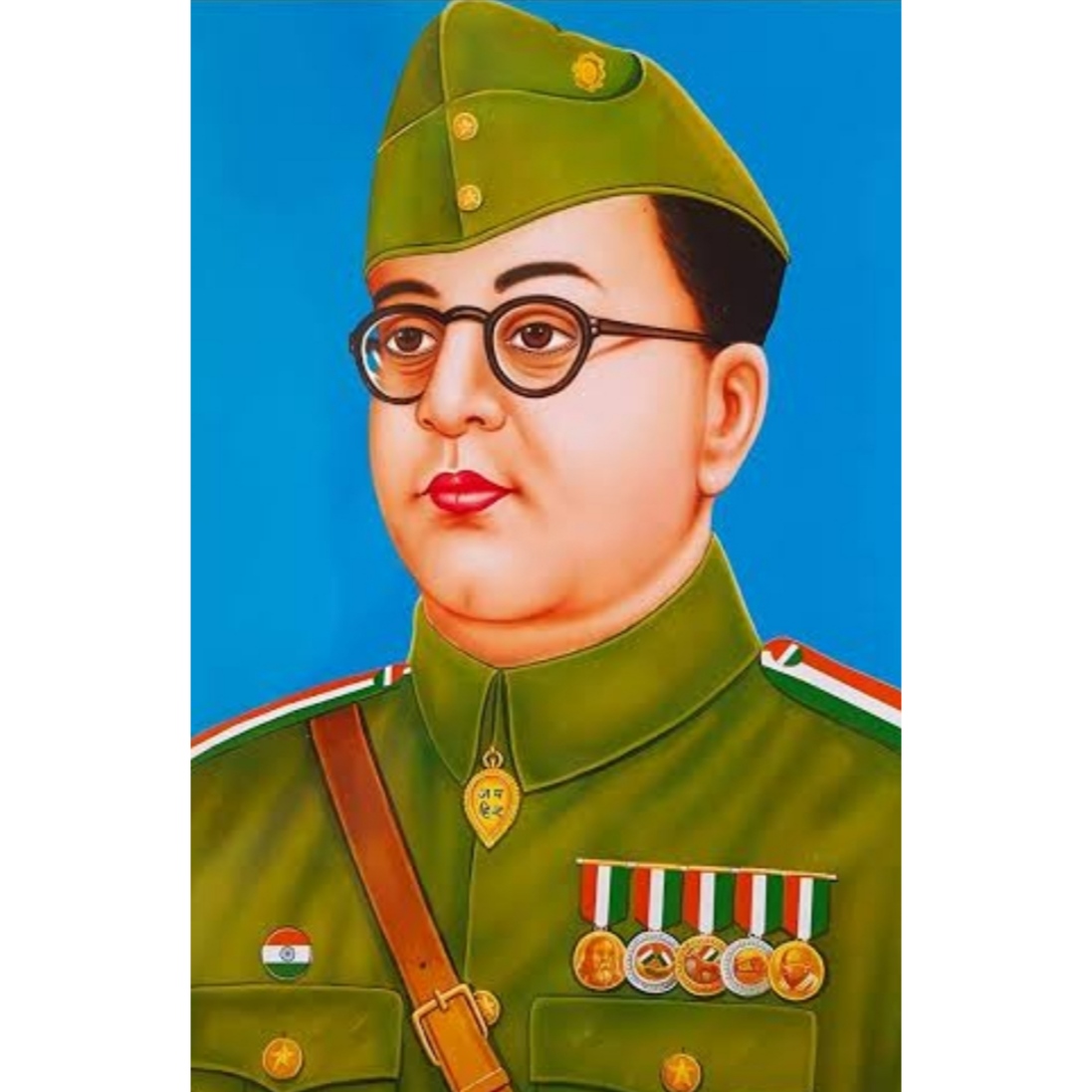
– Netaji Subhashchandra Bose Was A Renowned Indian Revolutionary , Freedom Fighter, Was Born On 23rd January, 1897 At Cuttak (Orissa). His Father’s Name Was Janakinath Bose And His Mother’s Name was Prabhavati Dutt. Subhashchandra Bose Was Popularly Known As Netaji. He Was The President Of Indian National Congress (INC) From 1938 to 1939. The Attempt To Get Rid Of British Rule In India During World War With The Help Of Mazi Germany And Imperial Japan.
3. Mahatma Gandhi
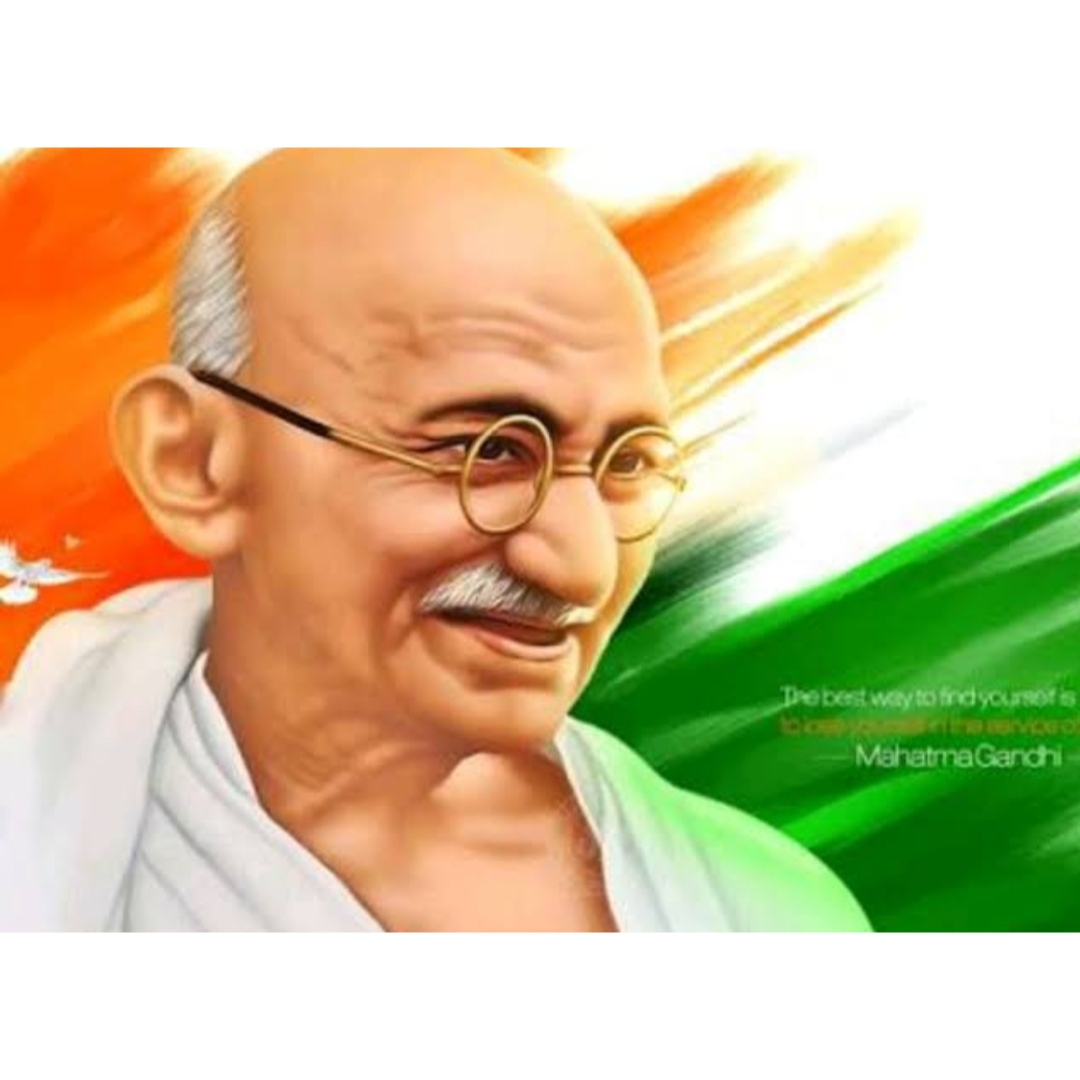
– Mahatma Gandhi Is Known As “Father’s Of Our Nation”. His Full Name Was Mohandas Karamchand Gandhi. His Father Name Was Karamchand And Mother Name Was Putlabai. He Was Born On 2nd October 1869 At Porbandar In Gujrat.
He Passed His Matriculation In 1887 And Went To England For Higher Studies. He Studied Law There And Became A Barrister. He Had Been To South Africa To Fight A Case And Experienced How The Englishman Ill- treated Indians. Gandhi struggle A Lot Of Their Rights.
4. Lokmanya Tilak
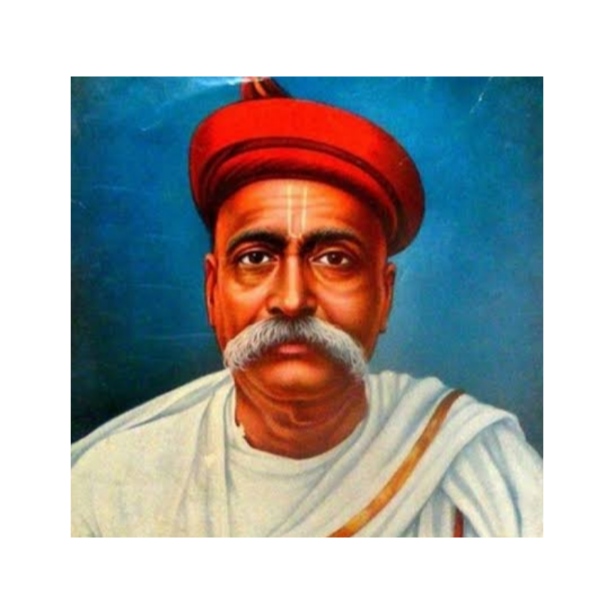
– Full Name Of Lokmanya Tilak Is Balgangadhar Tilak. Tilak Was Born As Keshav Gangadhar Tilak On 23rd July 1856 And Died On 1st August 1900 .Tilak Was Born At Chikhalgaon,Ratnagiri In Maharashtra To A Chitapavan Brahmin Family.
He Was An Indian Nationalist, Teacher, Social Reformer And Independence Fighter Who Was The Popular Leader Of The India Independence Movement.
Indian Festival – DIWALI
DIWALI celebrated in the month of Ashwin. It is the greatest Hindu festival. The festival lasts for four days and is celebrated all over India. Diwali means rows of lighted lamps, it is a festival of lights, but all Indians celebrate it joyfull . It falls in the month of October or November. people clean and decorate their houses and shops long before the festival arrives.
The festival lasts for four days. The first day is celebrated to remember the killing of the demon narakasur by lord Krishna. Everyone gets up early in the morning, takes scented bath and sweets are prepared in every home. Women draw beautiful rangoli design in front of their houses.

Celebration of DIWALI 💥
– The second day is Lakshmi poojan. People worship Lakshmi, the goddess of wealth, on this day. The third day is observed as Bali Pratipda. It is the Hindu New Year Day. People wish “Happy New Year” to their friends and relatives. They send greetings too. It is the day of meetings, greeting and feasts Bhaubeej is the next day. Sister wish long Life to their brothers and brothers give them gifts.
During Diwali the young and old,the rich and poor, all enjoy themselves greatly.
An Indian Festival
India is a land of fasts and festivals. Indian men and women observe these festivals throughout the year. These festivals are being observed from the dawn of human civilization.
The major festivals are Dussehra, Kali puja, Ganesh chaturthi, Basantpanchmi, Makar sankranti, Janmastmi, Ram Navmi, Akshay Tritiya, Holi and others to name only a few. These festivals are observed by the Hindus but there are other festivals also such as Eid-UL-Fitr, Eid-ul-Adha and Muharram observed by the Muslims, The Christmas Day and New Year’s Day are observed by the Christians and the Guru Nanak Jayanti is observed by the Sikhs or Punjabis.

Add caption
Celebration Holi, Raksha Bandhan, Ganesh chaturthi, Eid, Christmas and Dussehra.
– In this way Indian Festivals have a great religious and social significance. They teach a moral lesson to the people and unit them. People forgot all their differences and observe these festivals with a sense of togetherness.
National festivals like republic day, independent day, Gandhi Jayanti etc. Are celebrated with great patriotic zeal. These days have been declared as national holiday and are celebrated in all part of the country with a lot of enthusiasm.

Add caption
 The Great legend Of India